Understanding Central Heating Leak Detection
Central heating systems play a vital role in maintaining a comfortable home environment, especially during the cold months. However, leaks in these systems can lead to significant issues, including reduced efficiency, increased energy costs, and potential damage to your property. Understanding how to detect and address these leaks is essential for homeowners. When exploring options, central heating leak detection techniques are of utmost importance, as they help manage the integrity of your heating system effectively.
What Causes Central Heating Leaks?
Central heating leaks can stem from various sources, each requiring specific attention. Here are some common causes:
- Corrosion: Over time, pipes can corrode due to water impurities and heat. This corrosion can lead to pinhole leaks that slowly release water.
- Pipe joints and fittings: Fittings that connect different sections of piping are often the weak points in a system. Poor installation or wear and tear can cause these joints to loosen and leak.
- Temperature fluctuations: Central heating systems endure temperature changes that can cause materials to expand and contract, potentially leading to cracks and leaks.
- Pressure build-up: Excess pressure can occur within the system due to blockages or malfunctioning components, leading to ruptured pipes.
Signs of a Central Heating Leak
Being aware of the signs of a central heating leak can help you address issues before they escalate into larger problems. Common indicators include:
- Dripping water: If you notice water pooling around your boiler or leaking from radiators, it’s a clear sign of a leak.
- Whistling or gurgling sounds: Unusual noises in your heating system can indicate air trapped in the pipes due to escaping water.
- Decrease in heating efficiency: If certain rooms remain cold or your system takes longer to heat, there may be a leak affecting performance.
- Unexplained increase in bills: Rising energy costs might indicate a leak that causes your system to work harder.
The Importance of Early Detection
Detecting leaks early in your central heating system not only saves money on repairs but also prevents significant damage to your property. An unchecked leak can lead to mold growth, structural damage, and a decrease in the overall efficiency of your heating system. Regular inspections and prompt attention to any signs of leaks can prevent these issues from escalating.
Advanced Technologies in Leak Detection
The field of leak detection has greatly evolved, with various advanced technologies available to ensure accurate identification and resolution of heating leaks. Using these methods enables professionals to locate leaks swiftly and efficiently, minimizing disruption to your home.
Using Thermal Imaging for Precise Location
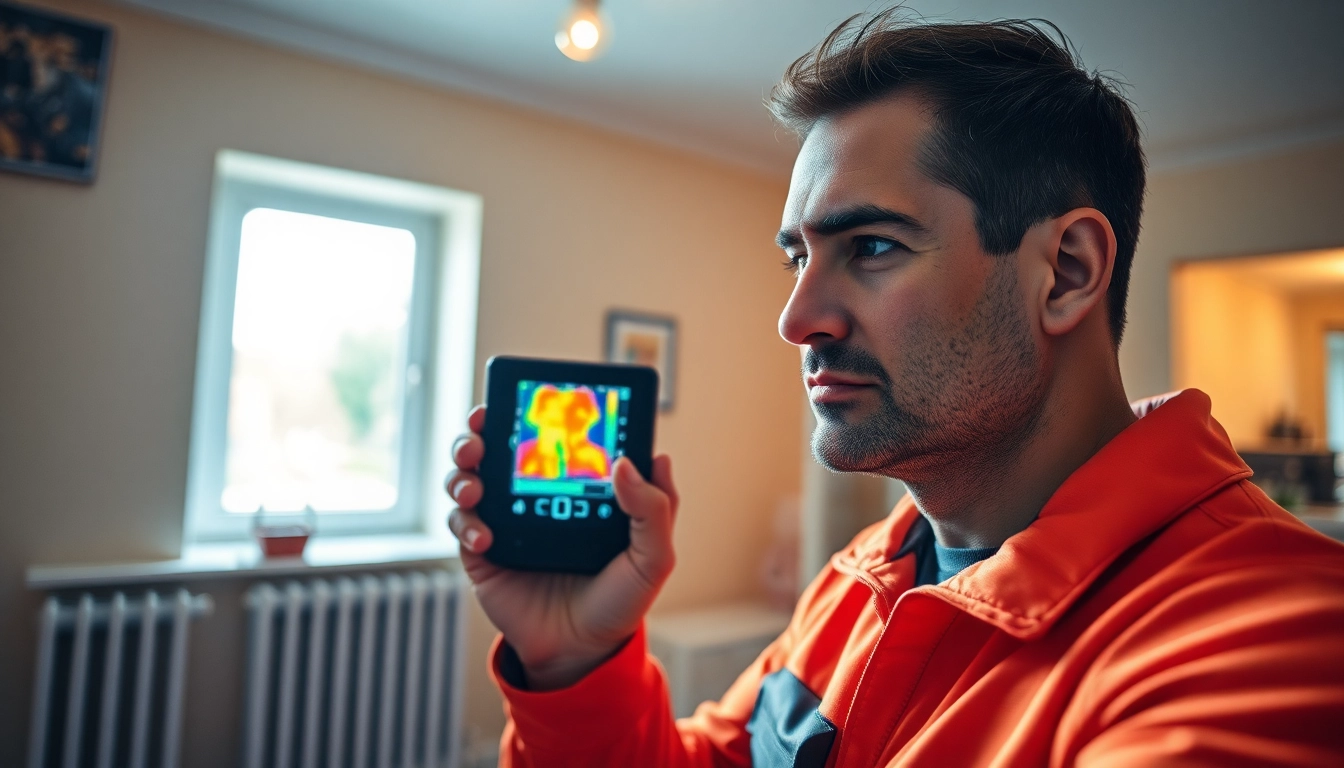
One of the most effective tools in modern leak detection is thermal imaging. This technology allows technicians to visualize temperature differences in walls, floors, and ceilings. In areas where there is a leak, the temperature tends to be different from surrounding areas. This method is especially useful for identifying hidden leaks without invasive procedures.
Acoustic Listening Devices Explained
Acoustic listening devices utilize high-sensitivity microphones to detect the sound of water escaping from pipes. This method is particularly effective in locating leaks in underground or concealed piping. Technicians place sensors on various surfaces to pick up the sound, identifying the leak’s precise location.
Tracer Gas Detection: How It Works
Tracer gas detection involves introducing a safe and odorless gas into the heating system. By monitoring where the gas escapes, professionals can pinpoint leak locations accurately. This method is particularly effective for small, hard-to-detect leaks and is non-invasive, making it a favored choice among leak detection specialists.
Best Practices for Homeowners
Regular Maintenance of Heating Systems
Regular servicing of your central heating system can help identify potential issues before they develop into serious problems. Schedule professional maintenance at least once a year to ensure all parts of the system are functioning correctly and to check for signs of wear or leaks.
DIY Leak Detection Methods
While professional services are essential, homeowners can also engage in some DIY techniques to check for leaks. For example:
- Inspect visible pipework for any signs of dampness or corrosion.
- Use a moisture meter to check for moisture levels in suspected leak areas.
- Monitor pressure gauges on your heating system, as drops in pressure may signify a leak.
When to Call a Professional
If you detect any signs of a leak or if your heating system is underperforming, it is crucial to call a professional immediately. Attempting to fix significant leaks without proper training or tools can result in further damage and additional costs.
Case Studies: Successful Leak Detection
Real-life examples showcase the effectiveness of professional leak detection methods. Here are a few notable cases:
Residential Leak Detection Success Stories
In one case, a family noticed an unexplained increase in their energy bill. Upon inspection, technicians utilized thermal imaging to locate a hidden leak behind the living room wall, which was causing significant water loss and dampness.
Comparative Metrics of Different Detection Methods
In another instance, a side-by-side comparison of acoustic listening devices and tracer gas detection showed that tracer gas was able to identify leaks more quickly in tightly sealed piping systems, resulting in faster repairs and less disruption.
Long-term Benefits of Professional Services
Engaging professional leak detection services not only resolves immediate issues but also contributes to the longevity of your heating system. Regular checks can extend the lifespan of your pipes and ensure efficient operation, ultimately saving homeowners money in the long run.
Future Trends in Leak Detection
As technology continues to advance, the future of leak detection appears promising. Innovations are on the horizon that will further enhance the efficacy and efficiency of leak detection processes.
Innovative Technologies on the Horizon
Emerging technologies, such as machine learning algorithms, are poised to revolutionize leak detection. These systems can analyze historical data to predict potential leaks before they occur, allowing for proactive maintenance.
The Role of Smart Home Devices
Smart home technology is increasingly integrating leak detection systems that alert homeowners to potential issues in real time. Devices that monitor water flow and pressure can notify users via smartphone alerts, enhancing early detection capabilities.
Predictions for Leak Detection in 2025 and Beyond
By 2025, we expect to see even more convergence of smart technology and leak detection. With advancements in IoT (Internet of Things), it will become standard for homes to have integrated systems that monitor heating efficiency and detect leaks autonomously, ensuring optimal performance and increased safety.